Fort Worth is a vibrant city in Texas that invites many visitors to explore its attractions. Fort Worth offers well-known landmarks and hidden treasures to explore. From the Stockyards to the modern museums, Fort Worth holds many secrets and surprises for everyone. Let’s know about the best things to do in Fort Worth through this blog.
About Fort Worth:
Fort Worth is located in North Central Texas and is known as the “City of Cowboys and Culture.” It offers rich history, Western heritage, art scenes, and various notable attractions. Here’s an overview of Fort Worth, Texas.
Cowboy History: Fort Worth boasts a rich cowboy history, dating back to its establishment as a stop along the Chisholm Trail in the late 1800s. Cattle drives were a significant part of life back then.
Stockyards: The old Stockyards District shows how important cowboys were in Fort Worth. There are cattle drives, rodeos, cowboy shows, and museums that keep the cowboy history alive.
Culture: The city boasts a vibrant cultural district, home to world-class museums and American Art, showcasing artistic treasures.
Arts: Sundance Square and local theaters host many live performances, musical events, and art scenes.
Botanic Garden: The Botanic Garden is a serene space featuring various gardens. It’s a lovely escape from the city, offering a chance to enjoy nature and relax.
Nature Centers: The Fort Worth Nature Center and Refuge, along with Trinity Park, offer extensive trails, wildlife spotting, and outdoor activities along the Trinity River.
Museums: The Kimbell Art Museum, Modern Art Museum, Fort Worth Museum of Science and History, and the Amon Carter Museum of American Art all offer science, history, and cultural exploration.
Food: Fort Worth offers a diverse range of culinary experiences, from Tex-Mex and barbecue to upscale dining.
Fort Worth, Texas, is served by several airports; visitors can choose from these airports based on their location, flight availability, and travel needs.
1- Dallas/Fort Worth International Airport
2- Fort Worth Meacham International Airport
3- Fort Worth Alliance Airport
Best Things to Do And Explore In Fort Worth:
Fort Worth, Texas, known as “Cowtown,” is a place where the spirit of the West still lives, stretching across the historic district with plenty of fun, food, and world-class entertainment. Start your trip at the Fort Worth Stockyards, home to the famous Fort Worth Herd and the twice-daily cattle drive—a bit of the Old West brought to life.
Stop by the Texas Cowboy Hall of Fame, admire Western art, and catch some thrilling bull riding or live music at Billy Bob’s Texas, the world’s largest honky-tonk. Sundance Square and the Fort Worth Convention Center are excellent destinations for shopping, events, and nightlife, while nearby restaurants offer a diverse range of cuisine, from Southern comfort food to global flavors.
Don your Western wear and walk the same city where Lee Harvey Oswald once fired the shots that changed history, just a short drive from Dealey Plaza and the legacy of JFK. For family-friendly attractions, explore the Fort Worth Zoo, featuring animals from Africa to Asia, or relax at the serene Japanese Garden and refreshing Water Gardens.
Whether you’re planning your visit on Saturday, Sunday, or even a Thursday, Fort Worth offers a cool mix of country charm and urban sophistication. With free events, open-air experiences, and a heart dedicated to preserving its past while embracing the future, it’s a spot where every day in Fort Worth, Texas, feels like a walk through fame and history.
Here are some of the best things to do in Fort Worth;
1- Cattle Drives:
The cattle drives were a symbolic re-creation site in the late 19th century along the Chisholm Trail. Fort Worth was a significant place for cowboys.
Daily Event: Visitors can witness the cattle drives twice daily at 11:30 AM and 4:00 PM along Exchange Avenue in the heart of the Stockyards Historic District.
Heritage: Professional cowhands are known as drovers; a herd of Texas longhorns roams through the streets, creating a spectacle that showcases the city’s cowboy heritage.
Educational Element: During the cattle drive, knowledgeable drivers share their expertise on the history of the cattle industry.
Photo Opportunities: Visitors can capture memorable photos of the longhorns, adding an authentic touch to their experience in the Stockyards.
Engagement: The cattle drives offer a memorable experience for tourists and locals, providing a glimpse into the vibrant cowboy culture and the historical importance of the livestock industry in Texas.
2- Stockyards Museum:
The Stockyards Museum, located within the National Historic District, offers a rich history that focuses on its unique cowboy culture and cattle industry. Here’s an overview:
History: The Stockyards Museum is situated in the historic Livestock Exchange Building, which preserves and showcases Fort Worth’s history and its significance in the Chisholm Trail and the cattle trading industry.
Artifacts: The museum features a collection of artifacts, documents, and photographs from the 19th and early 20th centuries, showcasing the development of the livestock market and the vibrant culture.
Theme Displays: Visitors can explore thematic displays on the lives of cowboys, cattle ranching, and the impact of the livestock industry on Fort Worth’s growth.
Exhibitions: Visitors can engage themselves in different experiences by exploring the daily lives of cowboys, cattle drives, and the operations within the Stockyards.
Guided Tours: Knowledgeable docents offer insightful commentary on the exhibits, sharing stories that bring Fort Worth’s rich history to life.
Historical Context: Visitors can gain an understanding of the hardships, triumphs, and cultural history of the cowboy lifestyle and the livestock market.
Community Involvement: The museum serves as a community hub offering educational programs, lectures, and events that celebrate and preserve Fort Worth’s Western heritage.
Memorable Visit: The Stockyards Museum provides an unforgettable experience that showcases the city’s rich cowboy heritage and history.
3- Kimbell Art Museum:
Admire masterpieces by renowned artists such as Michelangelo and Monet. The museum’s architecture, natural lighting, and extensive collections make it a must-visit for art buffs.
Building Design: The museum’s building is a masterpiece designed by the renowned architect Louis Kahn.
Natural Light: Kahn’s innovative use of natural light, achieved through vaulted ceilings and skylights, creates a captivating ambiance that complements the displayed artworks perfectly.
Masterpieces: The museum houses a diverse collection spanning various periods and cultures, comprising European, Asian, and American art from the 20th century.
Exquisite Selection: Visitors can appreciate exceptional works by renowned artists such as Caravaggio, Monet, Rembrandt, Picasso, and Michelangelo.
Rotating Exhibits: The Kimbell also hosts temporary exhibitions featuring loaned masterpieces, and thematic displays to provide fresh perspectives on art history..
Public Engagement: The Kimbell offers diverse educational programs, lectures, workshops, and guided tours for audiences of all ages, fostering an understanding and appreciation of art.
Community Outreach: Through collaborations with schools and community organizations, the museum aims to make art accessible and inclusive to a broader audience.
Aesthetic Serenity: The calm environment and displays ensure a peaceful atmosphere, enhancing the appreciation of the art on display.
4- Modern Art Museum:
Renowned architect Tadao Ando, a master of modern architecture, designed the building of the Modern Art Museum.
Elegance: Ando’s use of geometric forms, natural light, and expansive spaces creates a setting that is ideal for contemporary art.
Artworks: The museum collects modern artworks, including paintings, sculptures, installations, and multimedia pieces.
Global Representation: Visitors can explore works by prominent artists such as Andy Warhol, Jackson Pollock, Mark Rothko, and Anselm Kiefer, reflecting various artistic movements and styles.
Cutting-Edge Shows: The museum hosts rotating exhibitions that showcase contemporary art of emerging talents and established artists.
Immersive Experiences: The exhibitions offer a diverse range of experiences, themes, concepts, and contemporary art scenes.
Art Appreciation Programs: The museum offers educational programs, workshops, lectures, and guided tours to foster an understanding and appreciation of contemporary art.
Youth Engagement: The museum encourages young artists and students through outreach programs and school collaborations.
Cultural Destination: The museum’s commitment to showcasing innovative art and creating meaningful encounters ensures an engaging experience for art lovers.
5- Amon Carter Museum of American Art:
Amon Carter Museum of American Art boasts a vast collection of American art, from the 19th century to modern-day works.
Artworks: Visitors can admire paintings, sculptures, photographs, and works on paper by renowned American artists, showcasing a variety of artistic styles and movements.
Notable Artists: The collection includes masterpieces by iconic artists such as Frederic Remington, Georgia O’Keeffe, Charles M. Russell, and Thomas Cole, among others.
Theme Exhibitions: The museum presents theme exhibitions that explore American art history, social contexts, and regional influences.
Educational Programs: Through workshops, lectures, gallery talks, and educational sessions, the museum provides opportunities for audiences of all ages to learn about its history.
Research: The museum supports academic research that contributes to the understanding of American art and its cultural significance.
Philip Johnson Design: The building, designed by renowned architect Philip Johnson, serves as a fitting backdrop for the displayed artworks.
Natural Light: Large windows allow natural light to illuminate the galleries, creating an appealing environment.
Captivating Experience: Visitors can indulge themselves in the captivating American art experiences.
Cultural Appreciation: The museum offers a space for cultural enrichment, encouraging visitors to explore the evolution of American art and its impact on the nation’s cultural landscape.
6- Trinity Park
Trinity Park spans 200 acres and offers its visitors lush greenery and stunning views along the banks of the Trinity River. It provides a peaceful escape from the vibrant urban life.
Trails: The park features an extensive Trinity Trails network, offering opportunities for walking, jogging, and biking paths through Fort Worth’s scenic landscapes.
Picnics: Ample open spaces and picnic areas are ideal for family outings, picnics, and social gatherings amid nature’s beauty.
Sports Fields: The park offers playgrounds, sports fields, and recreational facilities to engage visitors in various outdoor activities, from soccer games to frisbee throwing.
River Scenes: Stunning river views allow visitors to enjoy picnics, birdwatching, and relaxation by the water’s edge.
Fishing Spots: Fishing buffs can find specific spots to cast their lines and enjoy fishing along the Trinity River.
Community Events: Trinity Park hosts a variety of community events, festivals, and outdoor concerts for residents and visitors throughout the year.
Attractions: The park serves as a hub for seasonal celebrations, offering holiday-themed events and festivals.
Natural Habitat: The park features diverse ecosystems, including woodlands and meadows. This park serves as a habitat for local wildlife, offering opportunities for nature observation.
Environmental Preservation: Efforts to preserve the park’s natural beauty and ecosystems contribute to its charm as a haven for nature lovers.
7- Fort Worth Zoo
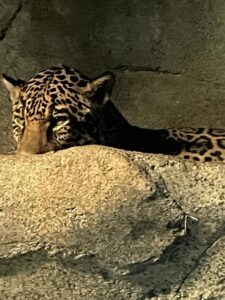
ETheFort Worth Zoo is home to over 7,000 animals. Visitors can encounter elephants, giraffes, big cats, and a variety of other animals. They can also learn about conservation efforts through different exhibitions and educational presentations.
8- Museum of Science and History
The museum features interactive displays that cover various scientific disciplines, inviting visitors to explore physics, biology, astronomy, and technology through hands-on experiences. The multiple exhibitions showcase Fort Worth’s history, cultural heritage, regional history, and significant milestones that have shaped the city’s evolution.
Innovation Studios: The Innovation Studios provide creative spaces equipped with tools and resources for experimentation. It encourages visitors to engage in tinkering, creating, and problem-solving activities. The studios foster innovation and creativity, emphasizing Science, Technology, Engineering, and Mathematics education through workshops and projects.
Noble Planetarium: The museum’s planetarium offers immersive journeys through the cosmos, featuring captivating shows and educational programs that explore astronomy, celestial phenomena, and space exploration.
Educational Astronomy: Visitors can experience simulated space missions, observe astronomical phenomena, and discover the universe’s wonders.
DinoLabs & DinoDig: The museum’s dinosaur exhibits offer an interactive learning experience, allowing visitors to uncover fossils, learn about prehistoric life, and participate in paleontological activities.
Learning: The DinoDig excavation pit offers a simulated paleontological dig experience, allowing visitors to unearth fossils and discover the science behind paleontology.
Transport Options to Explore The Texas Fort Worth Attractions:
Exploring the attractions in Fort Worth, Texas, is made convenient by the various transport options available to visitors. Here is a guide to the transportation modes for navigating the city:
Trinity Metro:
Routes: Trinity Metro operates an extensive network of bus routes that cover various parts of Fort Worth, offering affordable transportation to access different attractions.
Schedules and Fares: Visitors can access route maps, schedules, and fare information on the Trinity Metro website or at transit centers.
Trinity Railway Express:
Commuter Rail: TRE connects Fort Worth to Dallas, providing a convenient rail service for travelers exploring both cities.
Stations: The Downtown ITC Station in Fort Worth is conveniently located near downtown attractions.
Ride-Sharing Services:
Uber and Lyft operate in Fort Worth, offering on-demand transportation for convenient travel between attractions or reaching specific destinations.
Local Taxis: Several taxi companies operate in Fort Worth, offering on-call or street-hail services to meet transportation needs.
Car Rental Services:
Various car rental agencies operate in Fort Worth, enabling visitors to explore the city at their leisure. These rental agencies are available at airports, in downtown areas, and at other notable locations throughout the city.
Limo And Car Service:

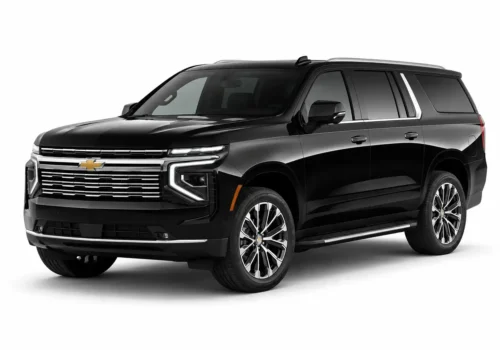
There are many Limousine and Black Car Services available in Fort Worth, providing easy and affordable access to your desired location. These services differ from car rental companies in that they offer more comfortable and luxurious travel options. You can choose from modern and latest model sedans, SUVs, Limos, Sprinters, or Party Buses according to your group size and travel needs.
Bike-Sharing Services:
Fort Worth offers bike-sharing programs, providing an eco-friendly and healthy way to explore the city. Biking trails are available along the Trinity River for scenic rides.
Bicycle Rentals: Some rental companies also offer bicycles for visitors to explore parks and urban areas.
Pedestrian-Friendly Areas: Many attractions in Fort Worth, such as the Cultural District and Sundance Square, are Pedestrian-Friendly, allowing visitors to explore on foot and enjoy the city’s charm.
Fort Worth offers a range of transportation options catering to different preferences and needs. Whether utilizing public transit for cost-effective travel, opting for ride-sharing services for convenience, or exploring the city’s attractions on foot or by bike, visitors have multiple choices to navigate and enjoy the diverse attractions Fort Worth offers.