Dallas is one of the busiest travel hubs in the country, and knowing how to book black car service Dallas airport can save time, money, and stress. Between Dallas Fort Worth International Airport, Dallas Love Field Airport, and smaller regional fields, the Dallas Fort Worth metroplex has one of the most complex ground-transportation networks in Texas. This guide breaks down the airports, the booking process, and the vehicle categories travelers typically encounter, using publicly available airport data.
How to Book Black Car Service Dallas Airport
Booking a car service for an airport trip in Dallas generally follows a simple sequence: confirm the flight and terminal, choose a vehicle size, share pickup details in advance, and select an upfront price rather than a metered fare. Most companies request the flight number so a driver can track arrival status and adjust for delays. For return trips to the airport, travelers typically schedule 2.5–3 hours ahead of departure for Dallas Fort Worth International Airport and about 90 minutes for Dallas Love Field, since Love Field’s TSA lines are usually shorter than DFW’s.
DFW Airport: Understanding the Dallas Fort Worth Hub
DFW Airport is the third-busiest airport in the world, moving more than 87.8 million passengers in a recent year, according to DFW’s own newsroom data, a jump of roughly 7.4 percent over the year before. The property spans nearly 27 square miles, which is larger than the island of Manhattan, and it operates around seven runways and roughly 170 gates spread across five terminals. American Airlines runs its largest hub from DFW, and a free Skylink train connects all terminals for connecting flights. Because of its scale, a passenger’s terminal letter matters when scheduling a pickup.
Fort Worth International Airport DFW: Ground Transportation Basics
Ground transportation for Dallas Fort Worth International Airport is organized by terminal, with designated curbside zones on the lower arrivals level. DFW sits roughly 20 miles from downtown Dallas and about 24 miles from downtown Fort Worth, so travel time depends heavily on which part of the metroplex is the final destination. Because DFW covers a wide footprint, allowing extra buffer time between landing and pickup helps avoid confusion, particularly during peak arrival windows.
| Airport | Distance to Downtown Dallas | Terminals | Approx. Annual Passengers |
| Dallas Fort Worth International (DFW) | ~20 miles | 5 (A–E) | 87.8 million |
| Dallas Love Field (DAL) | ~7 miles | 1 | 16–18 million |
| Addison Airport | ~16 miles | General aviation | N/A (private/charter) |
| McKinney National Airport | ~35 miles | General aviation | N/A (private/charter) |
Airport Transfers Across Dallas Love Field
Dallas Love Field sits about seven miles from downtown Dallas and is the headquarters for a major low-cost carrier, making it a common choice for travelers headed to Dallas or nearby Highland Park. Addison Airport and McKinney National Airport primarily serve private and corporate aviation, so airport transfers there often involve fewer passengers but more flexible scheduling, since private flight times can shift. Because each airport has a different layout, requesting the correct airport name when booking prevents a driver from being sent to the wrong location.
DFW Car Service and Airport Pickup Options
DFW car service typically falls into two categories: scheduled airport pickup with a fixed meeting point, and curbside rideshare-style pickup that depends on live traffic. A scheduled pickup usually includes a named driver, a monitored flight, and a set meeting location, which tends to be more predictable than curbside queues. Airport transfers booked in advance also avoid the wait times associated with surge pricing during high-demand periods such as holidays or major conventions.
Corporate Transportation and Corporate Travel Needs
Corporate transportation programs are built around consistency: the same booking process, invoicing, and vehicle standard for every trip. Corporate clients and corporate teams commonly need transportation for airport transfers, corporate events, and multi-stop office visits across the metroplex. Executive assistants often coordinate these bookings on behalf of executive travel schedules, which means clear communication about flight changes, additional passengers, or last-minute schedule shifts is essential for corporate travel reliability.
Professional Chauffeur Standards and Professional Drivers
A professional chauffeur is trained differently than a typical rideshare driver, with an emphasis on route familiarity, professional conduct, and consistent vehicle presentation. Professional drivers for corporate and airport routes are generally required to carry appropriate licensing and be fully insured, which matters for both liability and passenger confidence. Because these drivers regularly work different airport routes across Dallas-Fort Worth, they tend to be familiar with terminal-specific pickup rules and construction detours.
Luxury Vehicles: Sedans, SUVs, and Mini Buses
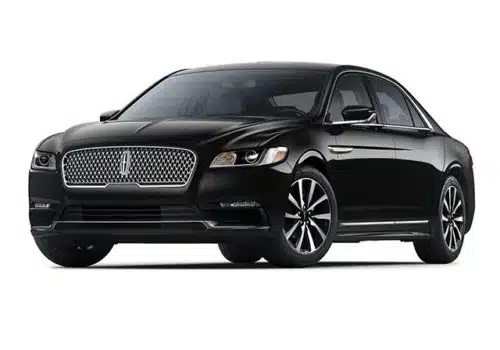
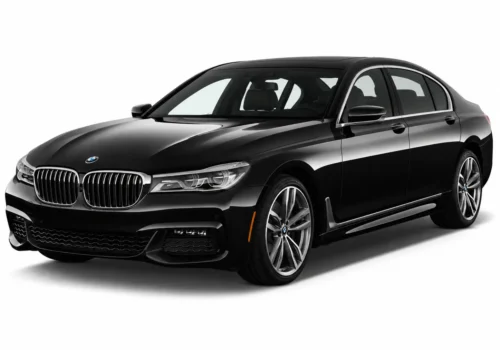
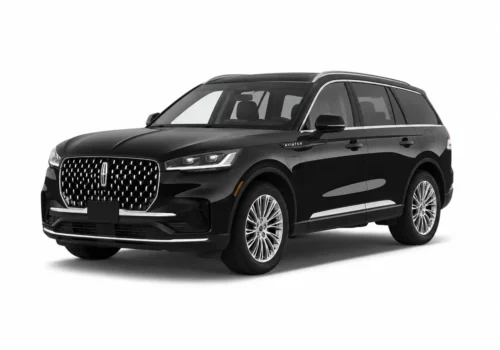
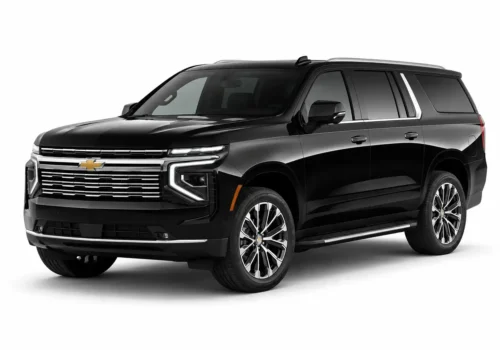
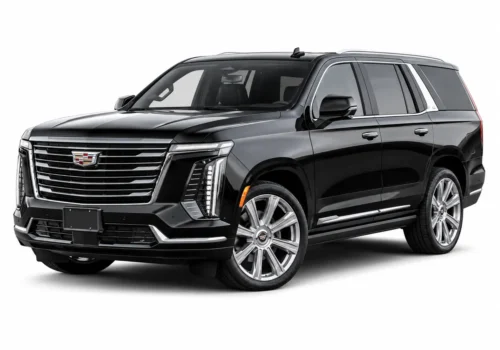
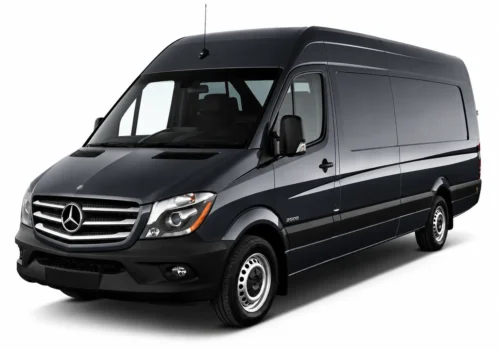
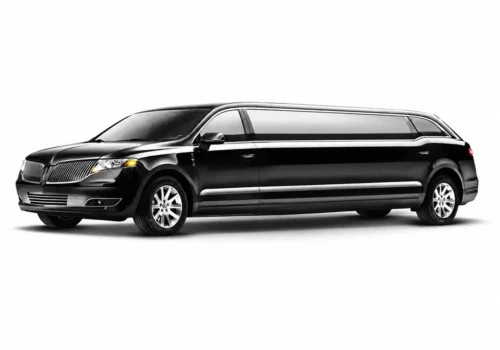
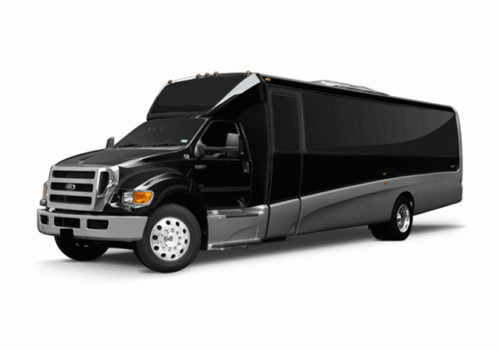
Luxury vehicles used for airport and corporate trips generally fall into a few categories: luxury sedans for one to three passengers, luxury SUVs such as a Cadillac Escalade for additional luggage or passengers, and mini buses for large groups traveling together. Comfortable seating and a premium fleet standard are common expectations for corporate travel and event transportation alike.
| Vehicle Type | Typical Passenger Capacity | Common Use Case |
| Luxury Sedan | 1–3 | Solo or small business trips |
| Luxury SUV (e.g., Cadillac Escalade) | 4–6 | Families, extra luggage |
| Black SUVs (extended) | 6–7 | Small groups, corporate travel |
| Mini Bus | 10–14 | Large groups, event transportation |
Event Transportation and Popular Dallas Destinations
Event transportation is frequently booked around major venues such as American Airlines Center and Globe Life Field, as well as social and shopping districts like Sundance Square, Legacy West, Las Colinas, and Highland Park. Because event nights can create heavy traffic near downtown Dallas, scheduling a pickup time slightly earlier than the event start helps offset congestion.
Pricing, Surge Pricing, and Hidden Fees
An upfront price is one of the clearest advantages of scheduled car service over on-demand rideshare apps, which can apply surge pricing during storms, holidays, or large events. Reviewing a quote for hidden fees such as extra stops, wait time, or after-hours charges before confirming a trip helps travelers avoid surprises at the destination.
Late Night Arrivals and Direct Service
Late night arrivals at DFW or Love Field can mean longer walks to ground transportation and fewer staff on duty, so direct service with a pre-scheduled driver tends to be more dependable than searching for a ride after midnight. Private rides booked ahead of time also mean the vehicle and destination are already confirmed before landing.
Final Thoughts
Understanding how DFW, Love Field, and the smaller regional airports fit into the Dallas Fort Worth metroplex makes it far easier to plan reliable ground transportation, whether for a solo business trip, a corporate team, or a large group headed to an event downtown. Travelers who compare vehicle types, confirm pricing in advance, and account for terminal-specific pickup rules tend to have the smoothest experience. For those who want that predictability handled for them, working with a professional car service that specializes in Dallas Fort Worth airport routes is generally the simplest way to keep travel plans on schedule.
Frequently Asked Questions
1. Is DFW or Dallas Love Field closer to downtown Dallas?
Dallas Love Field is closer, at roughly seven miles, compared with about 20 miles for DFW.
2. How many terminals does DFW Airport have?
DFW Airport has five terminals, labeled A through E, connected by the Skylink train.
3. How early should I book airport transportation?
Recommend booking at least a day in advance, though many services accept same-day requests depending on availability.
4. What is the difference between a sedan and an SUV for airport transfers?
A sedan typically fits one to three passengers, while an SUV offers more room for luggage or additional riders.
5. Do car services charge surge pricing like rideshare apps?
Scheduled car services with an upfront price generally do not apply surge pricing, unlike some on-demand rideshare platforms.