Did you know that properly used car seats reduce the risk of injury by up to 82% compared to seat belts alone? Yet nearly 59% of children across the United States are still being transported in incorrectly installed or inappropriate restraints, according to the National Highway Traffic Safety Administration (NHTSA).
In Illinois, the law is strict for a reason; every age group, every weight range, and every stage of your child’s growth comes with its own specific car seat requirement. Finally, children between the ages of four and eight must be in a booster seat until they reach the height of 4’9″ or the age of nine. It’s essential to follow these guidelines to protect your child during every car journey.
Illinois Car Seat Laws and Regulations
In Illinois, car seat requirements are regulated by the state’s Child Passenger Protection Act. According to the law, all children under the age of 8 must be secured in an appropriate child restraint system, such as a car seat or booster seat. The specific type of restraint system depends on the child’s age, weight, and height.
Illinois law requires parents and caregivers to understand these guidelines to ensure the safety of their children while traveling on Illinois roads. Failing to comply means parents can face fines and, more importantly, put their child at serious risk in a vehicle accident or auto accident.
Car Seat Requirements Illinois at a Glance
To make it easier for parents to quickly reference Illinois car seat laws, here is a summary table of requirements by age group:
| Age Group | Seat Type Required | Facing Direction | Notes |
| Under 2 years | Rear-facing car seat | Rear-facing | Exception if child weighs over 40 lbs or is 40+ inches tall |
| 2 to 3 years | Rear-facing car seat (recommended) | Rear-facing | Stay rear-facing as long as possible up to the seat’s max limit |
| 2 to 7 years | Forward-facing car seat with harness | Forward-facing | Move forward-facing only after outgrowing the rear-facing seat |
| 4 to 12 years | Booster seat (High-Back or Backless) | Forward-facing | Until the child reaches 4’9″ or passes the seat belt fit test |
| 8 years and older | Seat belt | N/A | Only when the child passes the proper seat belt fit test |
Child Passenger Protection Act
In Illinois, the Child Passenger Protection Act outlines the car seat requirements to ensure the safety of children while traveling in vehicles. According to the law, children under the age of 2 must be secured in a rear-facing car seat, while children between the ages of 2 and 4 must be in a forward-facing car seat with a harness.
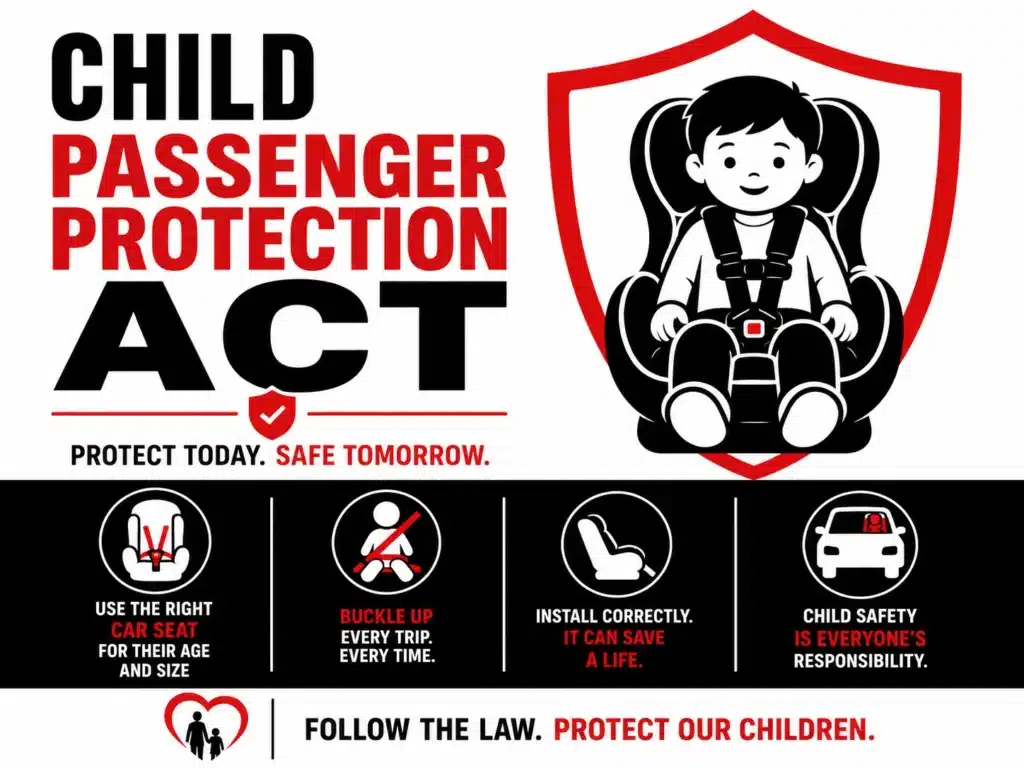
Additionally, children between the ages of 4 and 8 must be in a booster seat, and children aged 8 and older must wear a seat belt. These requirements aim to protect children from serious injuries in the event of a car accident.
- The Illinois Child Passenger Protection Act requires children under 8 to be properly secured in a child safety restraint system, including a booster seat, when transported in a motor vehicle.
- Children under 2 must be placed in a rear-facing child restraint system unless they weigh more than 40 pounds or are at least 40 inches tall.
- The law aims to reduce the risk of injury or death in motor vehicle crashes.
Choosing the Right Child Safety Restraint System
Choosing the right Illinois car seat for your child’s age and weight is crucial to ensure their safety while traveling in a vehicle. In Illinois, car seat requirements are in place to protect children from potential injuries in the event of a car accident. By understanding and following these requirements, parents can provide their children with the appropriate level of protection and peace of mind on the road.
When a child outgrows one seat type, it is important to move them to the next stage promptly, whether that means transitioning from a rear-facing seat to a forward-facing car seat, or from a forward-facing seat to a belt positioning booster seat.
Also read this: How to Hire A Taxi With A Car Seat
Types of Child Safety Seats
When it comes to car seat requirements in Illinois, it is important to understand the different types of child safety seats available. The main categories include infant seats, convertible car seats, and booster seats.
Infant seats are designed for newborns and young babies, while convertible car seats can be used both rear-facing and forward-facing as the child grows. A five-point harness is a key feature to look for in forward-facing car seats, as it distributes crash forces across the strongest parts of a child’s body.
Finally, booster seats are used to transition children from car seats to using the vehicle’s seat belt. A belt positioning booster seat raises the child so the vehicle lap belt fits correctly, lying snugly across the upper thighs and chest rather than across the stomach or the child’s head. Understanding these different types of child seats will help parents ensure they are meeting the specific requirements in Illinois
There are four types of car seats: rear-facing, forward-facing, all-in-one, and booster, each designed for a specific age and size range.
- Rear-facing car seats are recommended for infants from birth to 3 years old.
- Forward-facing car seats are recommended for children from 2 to 7 years old.
- Booster seats are recommended for children from 4 to 12 years old.
- Seat belts are recommended for children from 8 to 13+ years old.
Illinois Car Seat Comparison: Weight and Height Limits by Seat Type
Understanding the technical specifications of each seat type helps parents make informed buying decisions. The table below outlines general weight and height limits across the most common Illinois car seat categories:
| Car Seat Type | Typical Weight Limit | Typical Height / Age Range | Key Feature |
| Infant (Rear-Facing Only) | Up to 35 lbs | Up to 32 inches | Rear-facing only; ideal from birth |
| Convertible Car Seat | Up to 65 lbs (rear) / 80 lbs (forward) | Up to 49 inches | Transitions from rear-facing to forward-facing |
| All-in-One Car Seat | Up to 50 lbs (rear) / 90 lbs (forward) | Up to 57 inches | Long-term use; rear-facing to booster |
| High-Back Booster | 40 to 120 lbs | 38 to 57 inches | Five-point harness or belt path guide; shoulder belt guide included |
| Backless Booster | 40 to 100 lbs | 40 to 52 inches | Lap belt positioning is suited for older children |
Note: Always check the manufacturer’s guidelines for the exact height and weight limits of your specific model before use.
Factors to Consider
When considering a car seat service in Illinois, it is important to compare the cost and safety features of different providers. Look for services that offer certified car seats that meet the specific requirements set by the state of Illinois. Additionally, consider the reputation and reviews of the service to ensure that it provides a reliable and trustworthy option for keeping your child safe while traveling.
- Age and size of the child
- Type of vehicle
- Manufacturer’s guidelines for Child safety seat Use
Installing Child Seats Correctly
Installing a child’s car safety seat correctly is one of the most important steps parents can take. In Illinois, car seat requirements are in place to protect children in case of an accident, but those protections only work when the seat is installed properly.
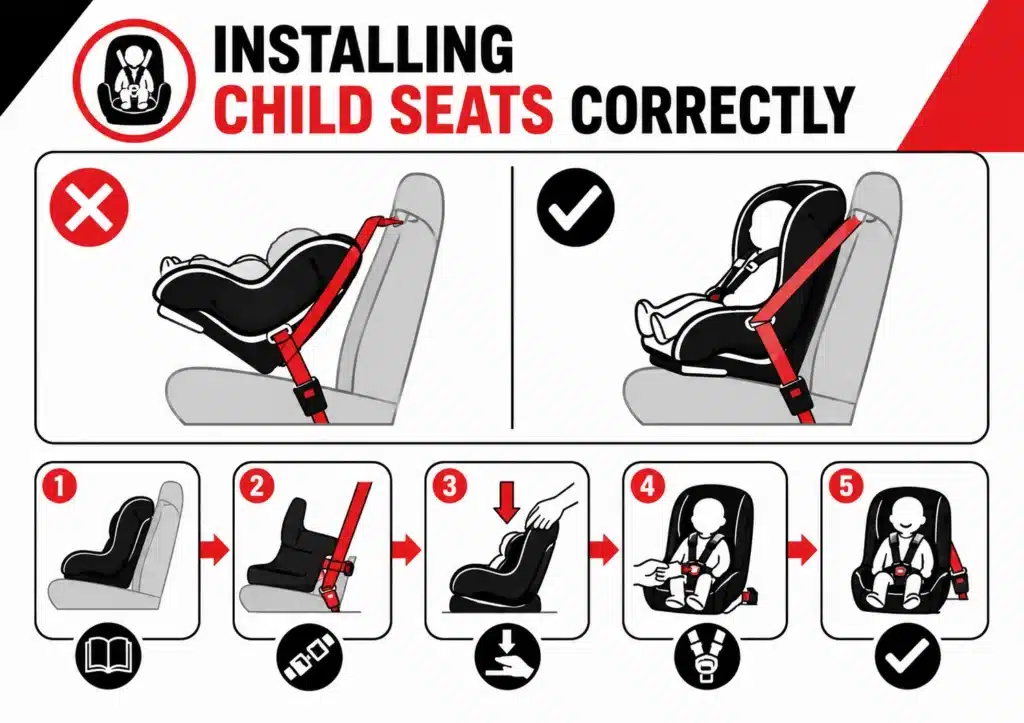
To install a car safety seat correctly, start by reading the car seat manual thoroughly and familiarizing yourself with the specific instructions for your seat model. Next, position the seat in the back seat of the car, never in the front seat if an active airbag is present, and secure it using either the vehicle’s seat belt or the LATCH system (lower anchors and tethers for kids). Make sure the seat does not move more than one inch in any direction when tested.
Finally, adjust the harness straps to fit snugly over the child’s shoulders and buckle the chest clip at armpit level. The harness straps should lie snugly across the child’s shoulders with no slack, and the shoulder belt guide should direct the belt correctly across the chest. Regularly check that the seat remains installed correctly and consult a certified Child Passenger Safety Technician if needed.
- Always consult the owner’s manual before installing any type of car seat or booster seat in your vehicle.
- Ensure proper installation and use of child seats.
- Follow the manufacturer’s guidelines for child safety seat use.
Also Read This: Traveling With Kids & Family Transportation Facility
Importance of Proper Installation
Attending a car seat installation workshop is essential for parents in Illinois to ensure that their child’s car seat is properly installed. These workshops provide hands-on training and expert guidance on the correct installation techniques, ensuring optimal safety for children while traveling.
By attending these workshops, parents can gain the knowledge and skills necessary to meet the car seat requirements Illinois and protect their little ones on the road.
- Proper installation can reduce the risk of injury or death in motor vehicle crashes.
- Improper installation can lead to serious injuries or fatalities.
Child Passenger Safety Guidelines
Following car seat requirements Illinois is crucial for child passenger safety. These guidelines are designed to ensure that most children are properly protected in the event of a car accident, reducing the risk of severe injuries or fatalities.
- Children under 2 must be placed in a rear-facing child restraint system unless they weigh more than 40 pounds or are at least 40 inches tall.
- Children aged 2-4 should remain in a rear-facing seat as long as possible or when they attain 40 pounds or at least 40 inches in height.
- Children aged 4-8 must be secured in a forward-facing child-restraint system until they reach the maximum age, height, and weight limit of a vehicle seat.
- Children aged 8-12 can safely use seat belts.
It is also worth noting that most kids should never sit in the front seat with an active airbag until they are at least age 13, as the force of airbag deployment can cause serious injuries to children even in a minor crash.
How Effective are Child Safety Seats in Reducing Injuries?
Child seats have proven to be highly effective in reducing injuries in real-life accidents. According to the National Highway Traffic Safety Administration (NHTSA), child safety seats reduce the risk of injury to children in a car crash by 71% to 82% compared to seat belt use alone.
Furthermore, research published by the Centers for Disease Control and Prevention (CDC) confirms that booster seats reduce the risk of serious injury in children aged 4 through 8 by 45% compared to seat belts alone. These statistics make it clear that properly using a child safety seat is one of the most powerful steps a parent can take to protect their child on the road.
Risks and Statistics
- Older children are less likely to buckle up.
- Fatal crash data shows that 40% of children who died in car crashes between the ages of 8 and 12 were unrestrained.
- Certain risk factors increase the likelihood that kids will ride unrestrained.
Child Passenger Safety Statistics: Why Compliance Matters?
The numbers speak clearly when it comes to child passenger safety. Here is a breakdown of key statistics that highlight the life-saving impact of proper vehicle seat use in Illinois and across the United States:
| Statistic | Data |
| Reduction in injury risk with correct car seat use | 71% to 82% vs. seat belt use alone |
| Reduction in serious injury risk for children aged 4 to 8 using booster seats | 45% |
| Child crash fatalities (ages 8 to 12) that were unrestrained | 40% |
| Children in crashes who were incorrectly restrained | Approximately 59% nationally |
| States with primary enforcement car seat laws (including Illinois) | Over 49 states |
Traveling With Kids: Why Your Choice of Transportation Matters?
For families in Illinois, keeping children safe does not end with having the right vehicle seat at home. Whether you are heading to the airport, a family event, or a medical appointment, the vehicle you choose and the way your child sits in it matter just as much as the seat itself.
Many parents are now turning to professional private car services that are specifically designed with families in mind. Unlike standard rideshares, where seat availability can be unpredictable, a dedicated private car service allows families to plan ahead, confirm the vehicle is appropriate, and ensure the child is properly secured before every departure.
When booking transportation for children, look for providers that offer:
- Spacious, well-maintained vehicles
- Professional drivers familiar with Illinois law
- Flexibility to accommodate rear-facing seats, forward-facing car seats, or booster seats without hassle
A reliable private car service understands that keeping kids safe is not just about the destination; it is about every mile along the way. Whether you are a new parent managing an infant seat or a caregiver transporting multiple children of different ages, choosing the right transportation partner can make every trip significantly safer and more comfortable.
Additional Resources and Support
Anyone can become a Child Passenger Safety Technician through training and certification. Child safety seat technicians must be recertified every two years to stay up-to-date with technological changes and federal regulations.
You deserve compensation if your child has sustained an injury due to someone else’s negligence. A Chicago car accident lawyer has the proper knowledge and experience to pursue a fair settlement value for your child’s injury-related losses.
Your Responsibility as a Parent: Keeping Every Journey Safe
As a parent or caregiver in Illinois, understanding and following car seat laws is one of the most powerful ways to protect your child on the road. Every stage of your child’s growth comes with updated safety requirements, and staying informed ensures that you are always one step ahead. From selecting the right seat to installing it correctly, your commitment to child passenger safety is not just about legal compliance. It is about giving your child the protection they deserve on every trip, near or far.
Frequently Asked Questions (FAQs)
Q1. What are the car seat laws in Illinois?
Illinois law requires children under 2 in a rear-facing seat, ages 2–4 in a forward-facing seat with a harness, ages 4–8 in a booster seat, and ages 8–12 in a standard seat belt.
Q2. When can a child face forward in Illinois?
A child can face forward once they are at least 2 years old and have outgrown the rear-facing seat’s weight or height limit, which is typically 40 pounds or 40 inches tall.
Q3. What is the booster seat age in Illinois?
Children between the ages of 4 and 8 are required to use a booster seat in Illinois until they reach 4’9″ in height or turn 9 years old.
Q4. Can a 7-year-old use a seat belt in Illinois?
No. A 7-year-old must still be secured in a booster seat in Illinois. Seat belts alone are only permitted once a child turns 8 or reaches the height of 4’9″.
Q5. Where is the safest seat in a car for a child?
The back seat is always the safest position for children. Sitting in the front seat with an active airbag poses a serious risk of injury to children under 13.