Family Airport Transportation: Why It Matters for Modern Travelers
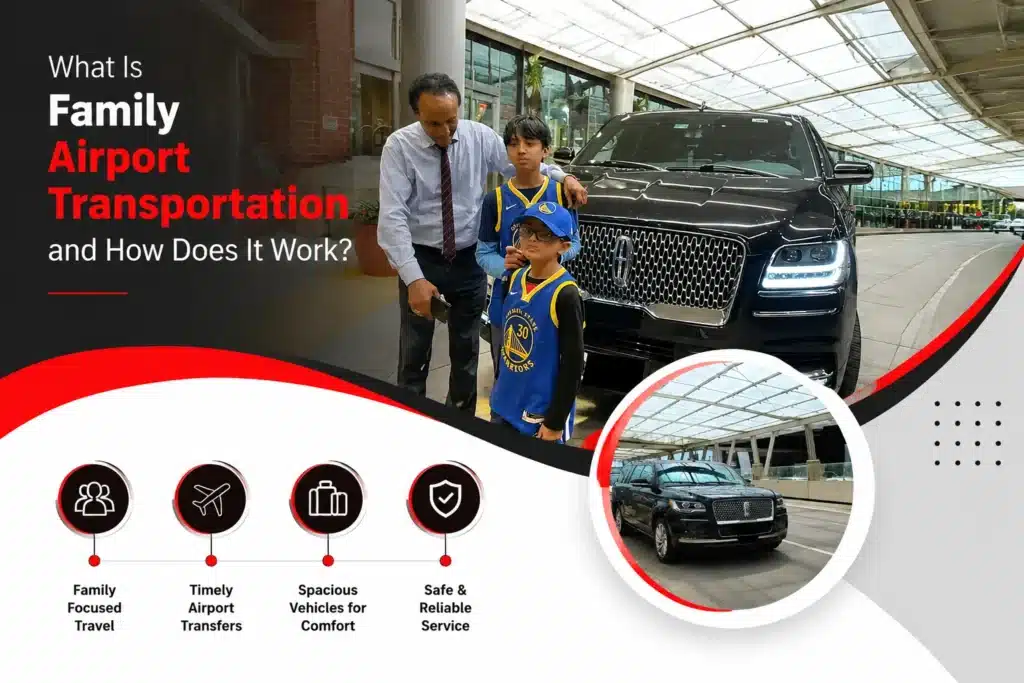
Traveling with children changes almost every part of a trip, and getting to and from the airport is no exception. Family airport transportation has become an important planning consideration for parents, since juggling luggage, strollers, and young kids at curbside pickup is far more complicated than a solo business trip. This guide looks at what families should know about car seats, transportation options, and safety regulations before their next flight, using publicly available data and legal sources.
Airports are busier than ever. Passenger volumes across major U.S. hubs continue climbing, and San Diego International Airport is a clear example. San Diego International Airport recorded its highest passenger volume on record in 2025, handling 25.32 million travelers across Terminals 1 and 2, a 0.3 percent increase over 2024, the airport’s previous record year. Airport officials attributed the growth to expanded airline service, international traffic gains and the opening of the new Terminal 1, with 17 airlines now offering nonstop service to more than 85 destinations worldwide.
With more families flying through busier terminals, planning family airport transportation in advance rather than scrambling at baggage claim has become a practical necessity for a stress-free trip.
Car Seats and Child Car Seats: What California Law Requires
One of the biggest questions families face involves car seats. Whether using a private vehicle, rideshare, or hired transportation, child passenger restraint laws still apply. California law has recently been updated, and families flying into or out of California airports should understand the current rules.
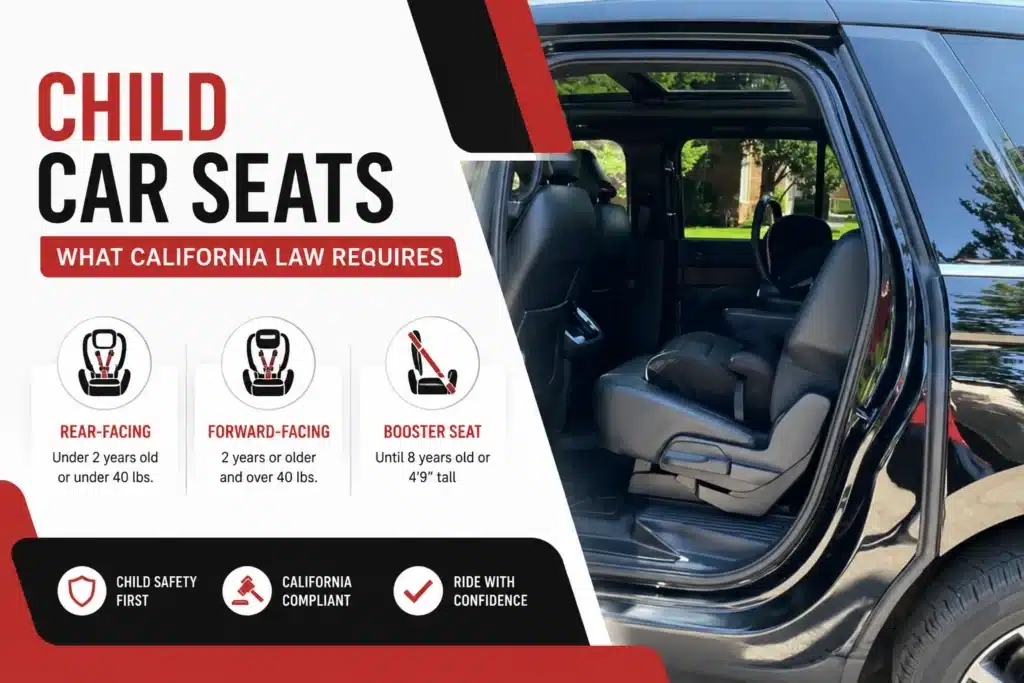
California car seat laws require children under 2 to ride rear-facing, children under 8 to use a car seat or booster in the back seat, and children 8 or older to use a seat belt if it fits properly. A significant change is coming, however. On October 14, 2025, Governor Gavin Newsom signed Assembly Bill 435 into law, introducing stricter requirements for how children must be properly and safely restrained in vehicles, with new standards taking effect January 1, 2027. Under the revised rule, the age threshold for mandatory child restraint in the rear seat effectively moves from under age 8 to under age 10, and children ages 10 to 16 may use a standard seat belt only if they pass a specific 5-point safety test.
The safety reasoning behind these laws is well documented. According to NHTSA, correctly installed car seats reduce the risk of fatal injury by 71% for infants under 1 year old and 54% for toddlers ages 1–4 in passenger car crashes, while booster seats reduce injury risk for children ages 4–8 by an additional 45% compared to seat belts alone.
California Child Car Seat Requirements by Age
| Child’s Age/Size | Current Requirement | Seat Type |
| Under 2 years | Rear-facing until manufacturer limit | Rear-facing car seat |
| 2–7 years (under 4’9″) | Forward-facing with harness | Forward-facing car seat |
| Under 8, at least 4’9″ | Booster required in back seat | Booster seat |
| 8 and older, proper belt fit | Seat belt permitted | Seat belt only |
| 10–16 (effective Jan 1, 2027) | Must pass 5-Step Test | Booster or seat belt |
Families renting a car should also know that existing California law requires a car rental agency to have available and provide a child passenger restraint system, upon request, for adults traveling with children under 8 years of age. This rule matters for anyone deciding whether to bring their own child car seats or rely on those provided at the destination.
Airport Transportation Options Comparison
Once car seat questions are settled, families typically choose between a few common options for airport transportation: an airport shuttle, an airport car service, a private car service, rideshare apps, or private vans for larger groups. Each option comes with tradeoffs in cost, space, and convenience.
Airport Transportation Options for Families
| Transportation Type | Best For | Space for Luggage/Strollers | Typical Booking Method |
| Airport shuttle | Solo travelers, small families | Limited, shared with other passengers | Shared reservation, fixed schedule |
| Airport car service | Point-to-point family trips | Moderate, dedicated vehicle | Advance reservation |
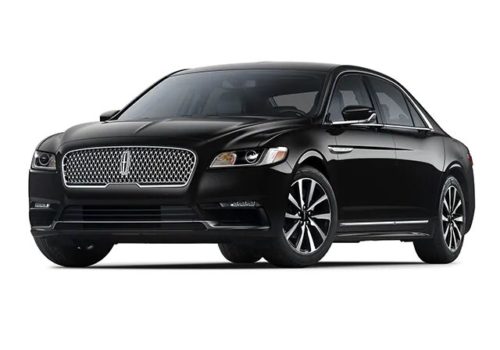
| Private car service | Small to medium families | Moderate, dedicated vehicle | Advance private transportation booking |
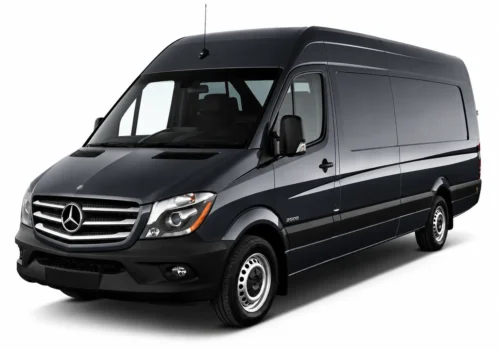
| Private vans | Larger families or groups | Ample space for luggage assistance | Pre-booked group transportation |
| Rideshare apps | Quick, on-demand trips | Varies by vehicle, car seats not guaranteed | On-demand app booking |
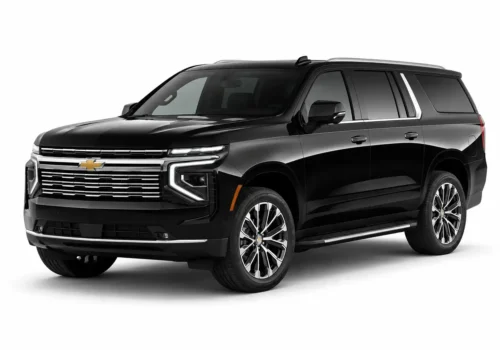
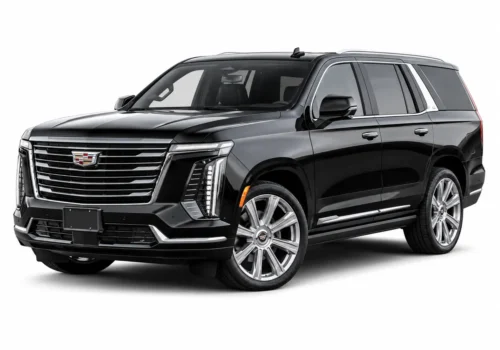
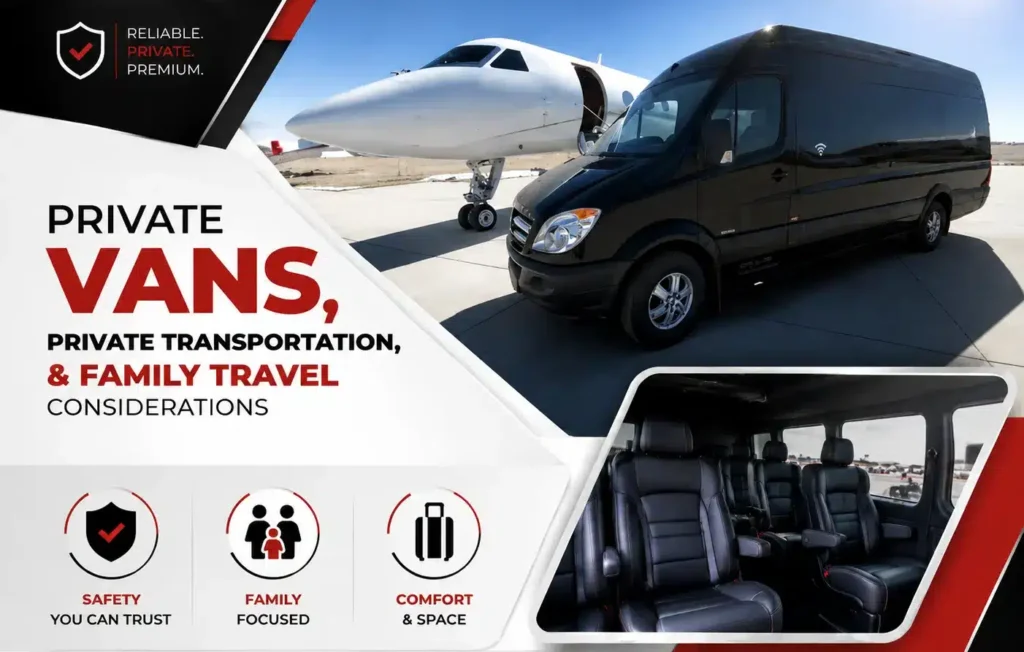
For larger families, private vans provide more room for luggage, strollers, and multiple passengers than a standard sedan, reducing the stress of coordinating multiple pickups.
Private Vans, Private Transportation, and Family Travel Considerations
Families traveling with several children often find that private transportation with spacious vehicles is more cost-effective than booking two separate rides. Private vans in particular suit larger families, since they offer enough room for car seats, strollers, and extra luggage without cramming everyone into a compact sedan.
Family travel logistics get easier when a few details are settled ahead of time:
- Share trip details (flight number, terminal, and drop-off location) in advance
- Confirm booster seats or child car seats are requested ahead of time, not on arrival
- Build in extra time during peak hours near a cruise terminal or busy pickup zones
- Ask about any extra charge or extra cost for additional stops, luggage, or car seat requests
Do Providers Provide Car Seats? Family Transportation and Car Service Tips
A recurring question for family transportation is whether to bring child safety seats from home or rely on a provider that can supply car seats on arrival. Bringing a familiar seat can reduce fussiness during the ride, but it also adds luggage and airport check-in complexity. Some car service providers and rental agencies provide car seats suited to a child’s age and weight, which can simplify logistics, particularly for connecting flights or multi-city itineraries.
Conclusion
Airport travel with children involves more moving parts than most trips: car seat compliance, luggage, scheduling, and simply getting everyone through the terminal calmly. As passenger numbers at major hubs like San Diego continue to grow, planning transportation ahead of time, understanding current child restraint laws, and choosing a vehicle with enough room for the whole family can make the difference between a stressful arrival and a smooth one. Families researching their options may find it worthwhile to compare local providers offering private vans, professional drivers, and vehicles equipped to handle child safety seats before their next trip.
FAQs
1. Do I need to bring my own car seat to the airport?
Not always; some transportation providers and rental agencies can supply one, but availability should be confirmed in advance.
2. At what age can a child stop using a booster seat in California?
Currently at 8, though a 2027 law extends related requirements to children up to 16 under a new fit test.
3. Are airport shuttles cheaper than private car service?
Shuttles are often cheaper for solo travelers, while private car service is usually more efficient for families with luggage and children.
4. How busy is San Diego International Airport?
It handled a record 25.32 million passengers in 2025 across two terminals.
5. Is booking transportation in advance necessary?
It’s not mandatory, but it reduces wait times and stress, especially during peak travel hours.