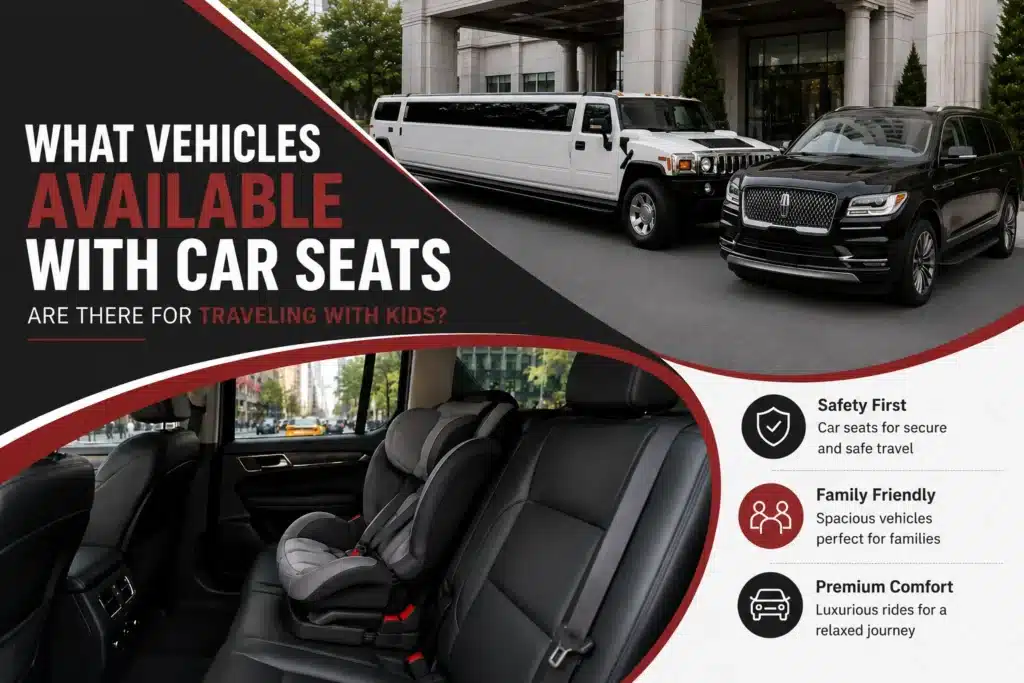
Traveling with children isn’t just about getting from one place to another; it’s about knowing the vehicle that shows up is set up for a young passenger. Whether it’s a private car booked for an airport run or an occasional ride while your own vehicle is unavailable, knowing which vehicles are available with car seats that suit your child’s age, height, and weight takes the guesswork out of the trip. Car crashes remain a leading cause of death for young passengers, so the right restraint matters for a child’s safety on every ride. This guide covers car seat choices, installation basics, and what to check before a ride.
Vehicles Available With Car Seats
Not every vehicle fits every car seat the same way. A convertible car seat, an infant car seat, or a single booster seat can sit differently depending on the vehicle’s seat belt geometry and back seat width. Narrow car seats fit better in compact cars, while three-across setups for three car seats usually need a minivan, SUV, or full-size sedan with a wider middle row. Even one car seat can be tricky in a particular vehicle if the back seat is shallow or the vehicle seat belt buckle sits at an awkward angle. Before a trip, confirm the lower anchor locations, tether anchor points, and whether more than one seat fits side by side.
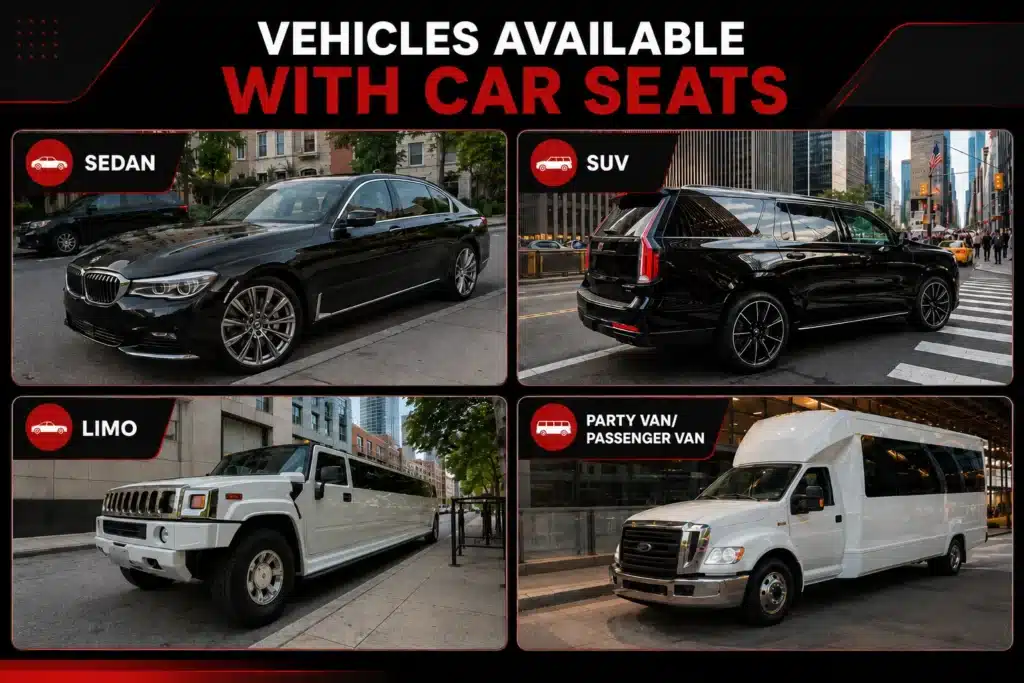
Vehicle type matters too:
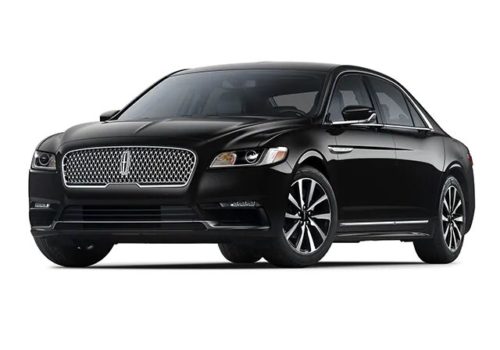
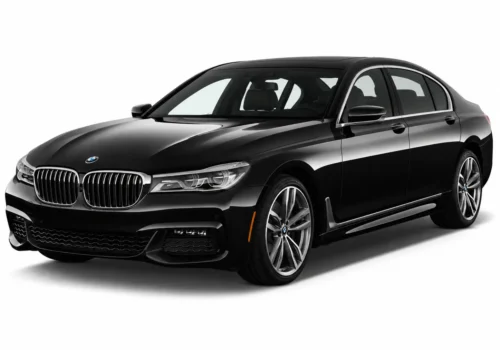
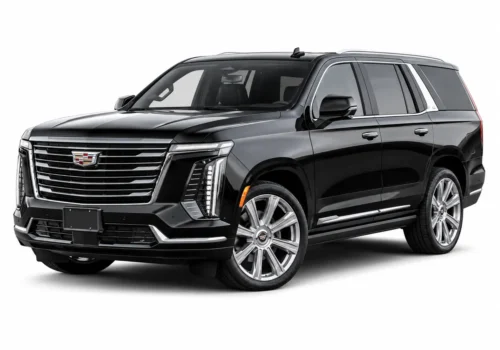
- Sedan – usually offers one or two rear lower anchor positions; suits a single car seat or two boosters.
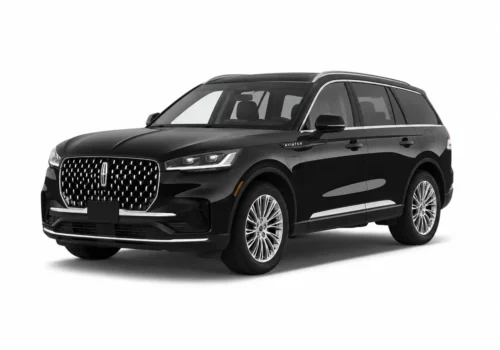
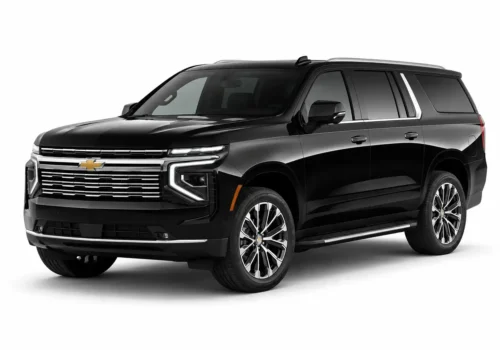
- SUV – a wider second row makes it easier to fit three car seats.
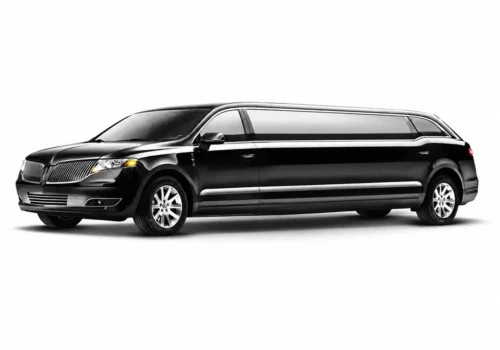
- Limo – can accommodate a car seat for airport transfers, though the fit should be checked beforehand given the longer bench seating and different belt paths.
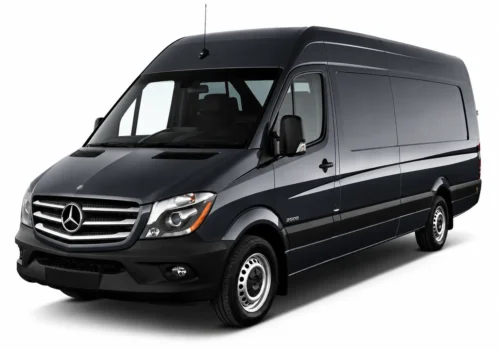
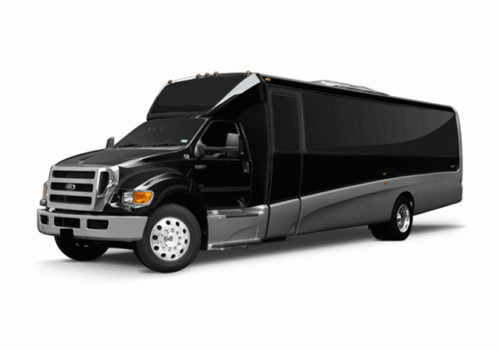
- Party van/passenger van – offers the most flexibility, with multiple rows and lower anchor points, suiting families with more than one child.
Infant Car Seat
An infant car seat is rear-facing only, designed for a child’s earliest months, typically birth to around 22–35 pounds. It clicks into a base that stays installed, so a caregiver can move the child in and out without unbuckling the harness. NHTSA notes children should remain rear-facing as long as possible, since this rear-facing position cradles the child’s body during a crash, reducing stress on the child’s head and supporting the child’s body during sudden stops.
Rear-Facing Car Seats and Forward-Facing Car Seats
Rear-facing car seats are recommended until a child reaches the maximum height or weight limit set by the manufacturer, extending past age two for many convertible car seats. Once outgrown, a forward-facing car seat uses a harness and tether limiting forward movement in a crash. A tether anchor connects to an anchor point in the vehicle, often on the rear shelf, and should be used with a forward-facing seat when available. Older children who outgrow rear-facing car seats but aren’t ready for a backless booster typically move to a forward-facing car seat with a full harness first.
Built-In Booster Seats and Integrated Booster Seats
Some vehicle manufacturers, mostly on certain SUVs, minivans, and pickup trucks, offer integrated booster seats built into the vehicle’s seat. These built-in booster seats raise a child so the vehicle seat belt lies correctly across the shoulder and lap, letting the belt fit properly without a separate booster. Integrated car seats and integrated booster options are convenient since there’s no separate seat to install, but limits vary by model, so a child’s age and size should be checked against the vehicle owner’s manual. Not every manufacturer offers built-in booster seats, and most SUVs that do only include them in the second row.
Child Seat, Booster Seat, and Belt-Positioning Booster
A child seat is a general term covering infant car seats, convertible car seats, and forward-facing seats with a harness. Once a child outgrows the harness, a booster seat, backless or high-back, is next. A belt-positioning booster raises the child so the lap belt sits snugly across the upper thighs and the shoulder belt rests across the chest, not the neck, which matters for a child’s safety. Backless boosters are portable, useful for families needing a single booster seat that travels between vehicles.
Car Seat Installation and Lower Anchors
Car seat installation can be done two ways: using the vehicle’s seat belt or the lower anchors (LATCH system). Both are equally safe when done correctly, but shouldn’t be combined for one harnessed seat, and a seat belt properly tightened should have little slack. Britax and NHTSA note most vehicle lower anchors carry a combined weight limit of 65 pounds for the child and car seat together, so heavier children switch to a vehicle seat belt installation. Lower anchors are usually found in at least two rear positions per vehicle, and rigid LATCH connectors need enough room behind the seat back to click into the anchor point cleanly.
| Car Seat Type | Typical Age/Weight Range | Direction | Common Installation |
| Infant car seat | Birth – 22–35 lbs | Rear facing | Base + lower anchors or seat belt |
| Convertible car seat | Birth – 40–65 lbs | Rear facing, then forward facing | Lower anchors or seat belt |
| Forward-facing car seat | ~22–65 lbs | Forward facing | Lower anchors + top tether |
| Built-in/integrated booster | ~40–100+ lbs (varies by vehicle) | Forward facing | Built into vehicle seat |
| Backless booster seat | ~40–100+ lbs | Forward facing | Vehicle seat belt only |
| High-back booster | ~40–120 lbs | Forward facing | Vehicle seat belt, some with lower anchors |
Buying Guide: What to Look for in a Car-Seat-Friendly Vehicle
Whether buying a new vehicle or confirming what a private car offers for a ride with kids, the same checks apply. A flat-bench second row, rather than bucketed captain’s chairs, is easier for one seat or three car seats across. Check whether the front seat’s shoulder belt geometry makes the seat belt sit awkwardly on a booster in the middle row, and whether an extra adult can still sit comfortably once a car seat is installed. This buying guide applies to families weighing a new vehicle purchase and to anyone booking a ride alike.
| Factor to Check | Why It Matters |
| Number of lower anchors and tether anchors | Determines how many car seats can be installed with LATCH |
| Second row width | Affects fit for three car seats or a single booster seat side by side |
| Seat belt buckle stalk length | Short, rigid buckles can interfere with car seat installation |
| Vehicle owner’s manual notes | Lists weight limits and approved seating positions for car seats |
| Rigid LATCH vs. flexible LATCH | Rigid LATCH connectors install differently and may limit fit next to another seat |
Crash Prevention and a Child’s Safety
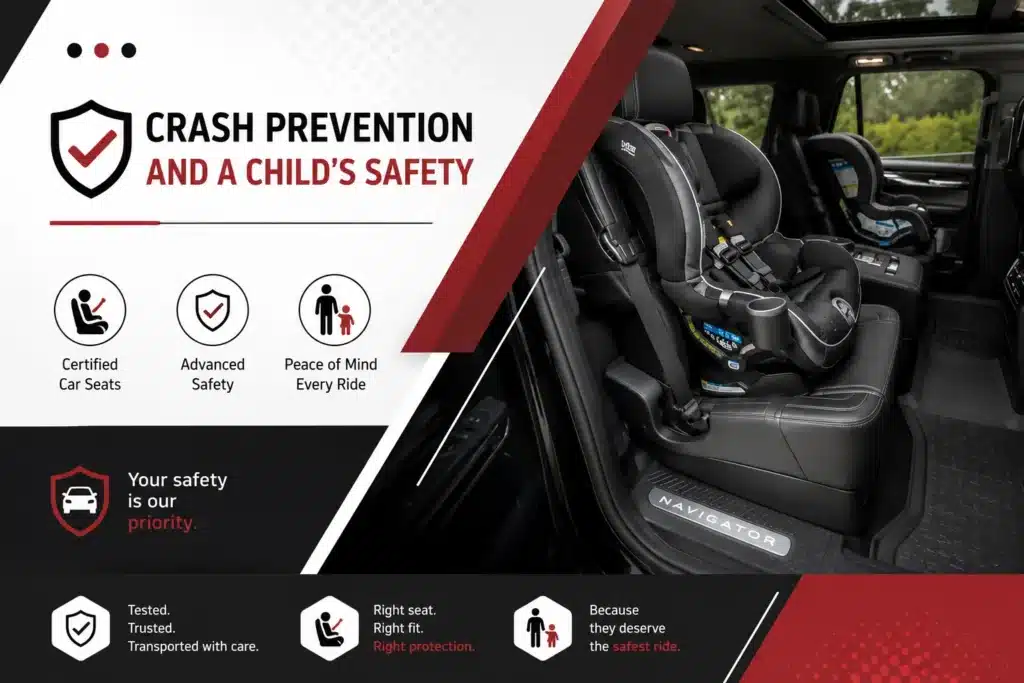
Car seats, booster seats, and seat belts share one goal: crash prevention and reducing injury risk. A child passenger safety technician can verify a car seat is installed correctly and fits both the child and the vehicle. Even a minor crash may call for replacing a car seat, depending on manufacturer guidance, so check the manual after any collision. Crash testing helps confirm a car seat will lie snugly against the vehicle seat rather than shift during impact.
Families who fly with young children may notice some car seats are labeled for aircraft use too. The Federal Aviation Administration allows certified child restraints on airplanes, a separate approval from vehicle use, so check the seat’s label.
Conclusion
Choosing among the many vehicles available with car seats, for a private ride or a family vehicle, comes down to matching the vehicle’s seating and anchor setup with car seat choices that fit a child’s current age, height, and weight. Choosing the right child seat is only part of keeping your child safe during travel. Reviewing the seat’s specifications in advance and confirming that it can be installed correctly in the chosen vehicle helps avoid last-minute uncertainty on travel day. Before every journey, take a moment to check that the child seat is securely fitted and that all straps and harnesses are properly adjusted. These simple checks help provide a safer and more comfortable ride for your child.
FAQs
1. What is the safest seating position for a car seat?
The back seat, ideally the middle of the second row, is generally the safest position.
2. Can I install two car seats with LATCH in the same row?
Often yes, but check the owner’s manual, since not every position supports lower anchors.
3. When should a child move from rear-facing to forward-facing?
Only after reaching the rear-facing seat’s maximum height or weight limit, not by age alone.
4. Do integrated booster seats work for all children?
No, built-in boosters have their own height and weight limits set by the manufacturer.
5. How do I know if a car seat needs replacing after a crash?
Check the manufacturer’s guidelines, since replacement often depends on crash severity.