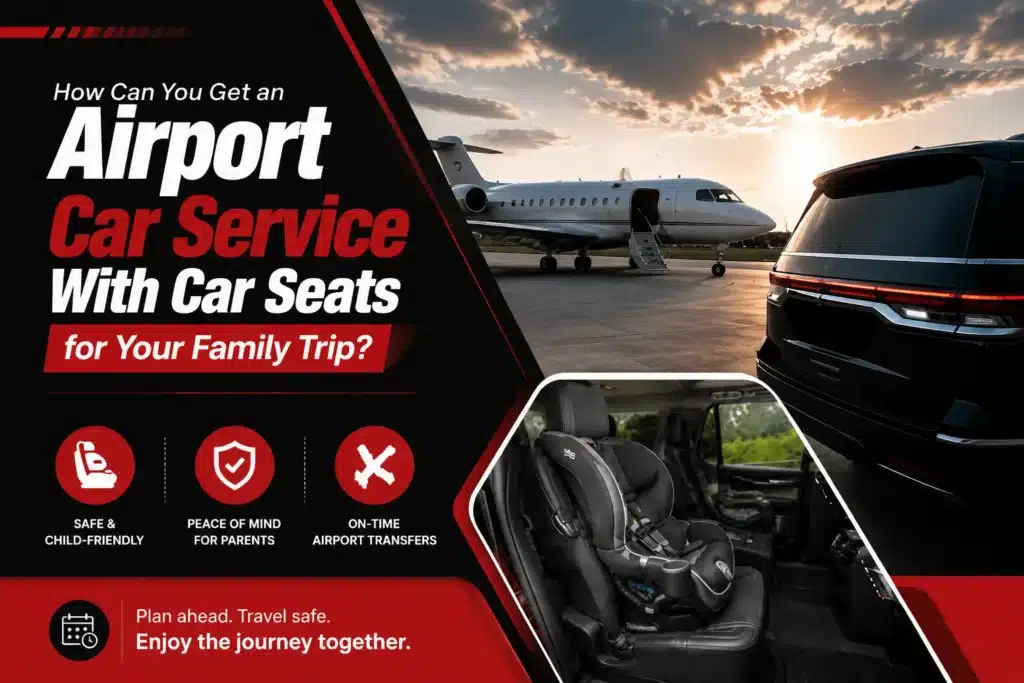
Traveling with young children through a busy terminal is stressful enough without worrying about how they’ll get from the curb to the car safely. This is exactly why more parents are learning how to get an airport car service with car seats rather than renting equipment or checking a bulky seat with their luggage. Whether flying into Los Angeles International Airport, John Wayne Airport, Long Beach Airport, JFK, or LAX, families can now arrange a ride where the correct seat is already installed before the flight even lands.
This guide walks through exactly how to book this kind of service, what to check before you reserve, and what child passenger safety guidelines say about each seat stage.
Step 1: Understand What “Airport Car Service With Car Seats” Actually Means
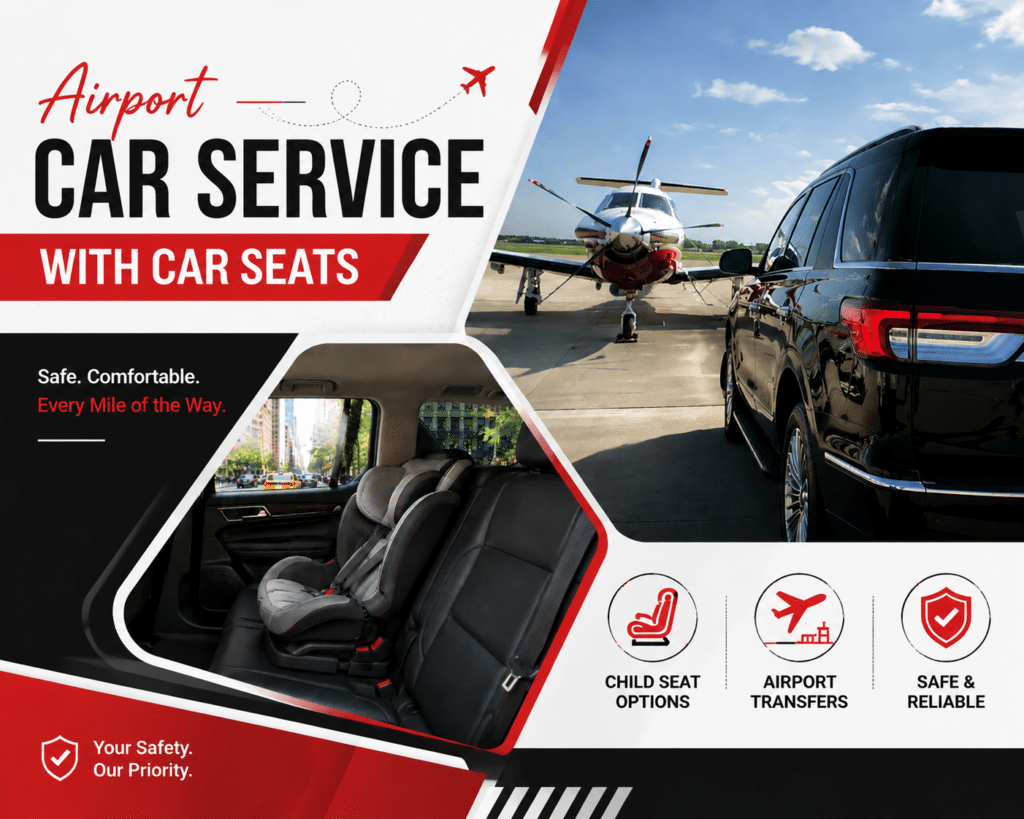
An airport car service with car seats is a private transportation option where the provider supplies and installs an age-appropriate car seat in the vehicle ahead of pickup — instead of the family bringing their own or renting one separately. This is different from a standard taxi or rideshare, which typically does not guarantee a seat is available.
To get this type of service, parents generally need to:
- Search for a car service that specifically lists car seats as an option (not all do).
- Request the number and type of seats needed at the time of reservation.
- Confirm pickup address, flight number, and airport terminal in advance.
- Choose forward-facing car seats, rear-facing seats, or booster seats based on the child’s age and weight.
- Decide whether a one-way pickup or round trip works better for the travel plan.
Step 2: Know Which Seat Type to Request
Before booking, it helps to know which seat your child needs, since this affects vehicle size and availability.
- Infant seats – rear-facing only, used from birth until the manufacturer’s height or weight limit is reached.
- Toddler seats – often convertible, starting rear-facing and later switching to forward-facing.
- Child seats – forward-facing with a harness, used once a child outgrows rear-facing limits.
- Booster seats – used once a child outgrows a harnessed seat, until an adult seat belt fits properly.
NHTSA advises keeping a child rear-facing until they reach the top height or weight limit allowed by the seat’s manufacturer, after which they are ready for a forward-facing car seat with a harness and tether. Many convertible seats accommodate rear-facing up to 40–50 pounds, which means some children stay rear-facing until age 3 or 4.
Matching the Right Seat to Your Child
| Seat Type | Typical Age Range | Facing Direction | What to Request When Booking |
| Infant seats | Birth to ~1–2 years | Rear-facing only | Confirm carrier-style seat is available |
| Toddler seats | 1–4 years | Rear-facing, then forward-facing | Ask if seat converts as child grows |
| Forward-facing child seats | 4–7 years | Forward-facing with harness | Confirm tether anchor is available |
| Booster seats | 4–12 years | Forward-facing, no harness | Confirm high-back or backless option |
Source: NHTSA Car Seat Recommendations
Step 3: Check Why the Seat Matters Before You Travel
Motor vehicle crashes remain a leading cause of death for young children, which is why requesting the correct seat isn’t optional. The CDC reports that more than 1,000 child passengers age 14 and younger died in motor vehicle crashes in 2023, and over 142,000 were injured, with nearly half of those killed not properly buckled up.
Federal safety standards also continue to evolve. Starting December 5, 2026, all car seats and booster seats sold in the United States must meet updated federal side-impact standards under FMVSS 213a, requiring seats designed for children under 40 pounds to pass a simulated 30 mph side-impact crash test before reaching retail. When getting a car service, it’s worth asking whether their seats meet current federal standards, since older equipment may not reflect the latest safety testing.
Step 4: Confirm State Booster Seat Rules for Your Destination City
Booster seat laws differ depending on where you land, so it helps to check requirements for the specific city, whether that’s Chicago, San Francisco, or elsewhere. Some states, such as Louisiana, require booster seat use until age 9, the longest age requirement in the country, while NHTSA and the American Academy of Pediatrics recommend keeping children in each stage longer than state law strictly requires. A good service will already be familiar with local requirements for the airport and city you’re arriving in.
Step 5: Ask the Right Questions Before You Reserve
| What to Ask | Why It Matters |
| Do you provide infant, toddler, and booster seats? | Confirms availability for your child’s age |
| Is the seat clean and in good condition? | Ensures safety and comfort before installation |
| Who is responsible for installing the seat? | Parents install and secure the seat themselves once in the vehicle |
| Is there an extra charge for multiple seats? | Avoids surprise costs at pickup |
| What vehicle size do you provide? | Confirms space for seats plus luggage |
Step 6: Book in Advance
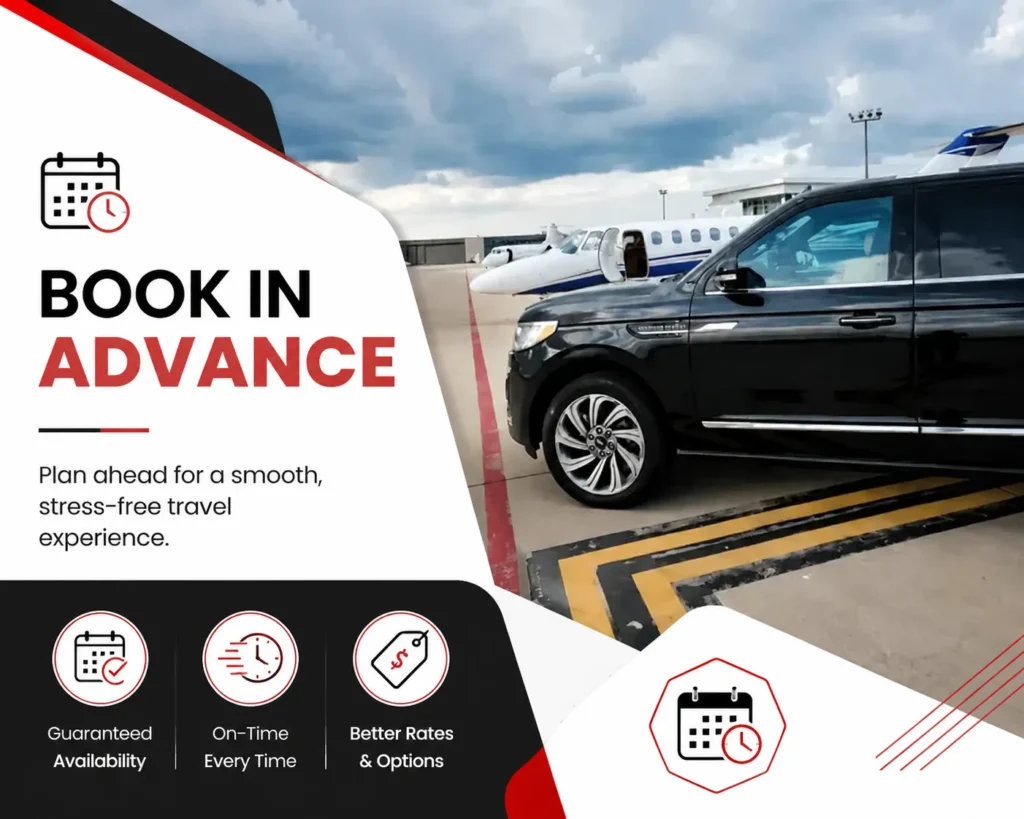
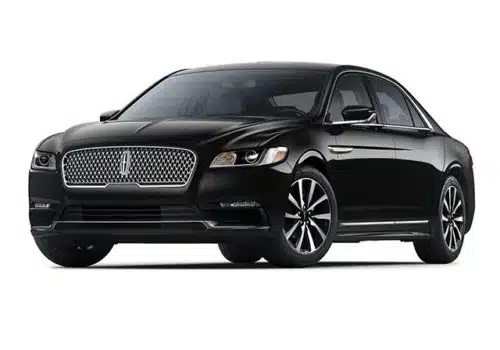
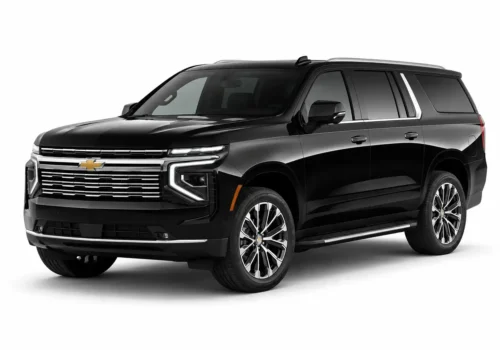
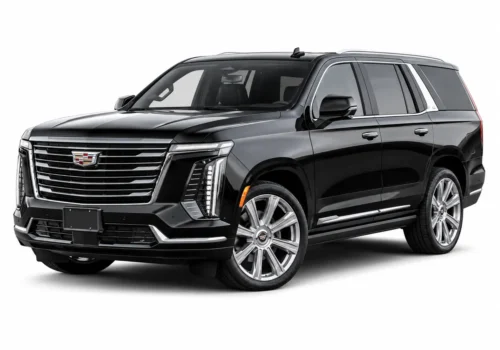
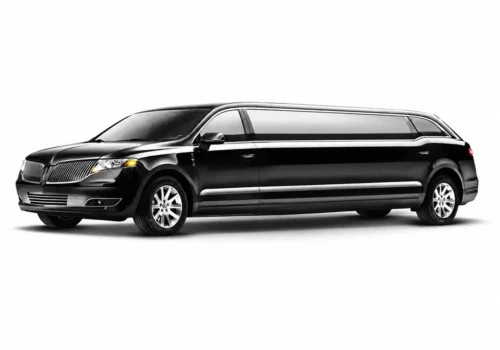
Because installing a seat correctly takes time, most services ask families to reserve at least 24–48 hours before arrival, especially for multiple car seats or larger family groups. Booking in advance also gives the service time to confirm vehicle type; larger families with multiple children may need an SUV rather than a standard sedan to comfortably fit seats, luggage, and passengers.
Final Thoughts
Getting an airport car service with the right car seats mostly comes down to asking the right questions early: what seat types are offered and whether the service understands local booster seat laws. Once those details are confirmed, families can focus on the trip itself rather than logistics. For parents who want this process simplified, services are built specifically to let you select seat type, vehicle, and airport pickup details ahead of time, so everything is ready before you land.
FAQs
1. How far in advance should I book an airport car service with car seats?
Most services recommend booking at least 24–48 hours ahead, especially for multiple seats.
2. Can I request more than one car seat for siblings?
Yes, most family-friendly services can accommodate multiple car seats in one vehicle.
3. Do I need to install the car seat myself if I book this service?
Yes, most services provide the car seat but leave installation to the parent or caregiver, so it’s worth allowing a few extra minutes before departure.
4. Are booster seat laws the same in every state?
No, requirements vary by state, so it’s worth checking local rules for your destination.
5. What’s the difference between a rideshare and an airport car service with car seats?
A dedicated car service guarantees a properly installed, age-appropriate seat, while standard rideshares do not.